about Phosphoros Theatre
our vision
Refugee stories are all around. Our vision is that these stories are amplified and heard. We collaborate with people with lived experience – as artists, audiences, activists, participants and partners, and invite the wider public to listen and advocate for change.
Our creative approach is rooted in care and solidarity. It benefits from collaboration and varied lived experience and results in surprising, beautiful, rebellious, intimate, responsible, illuminating and hopeful work, both on and off the stage.
our history
Phosphoros Theatre started in 2015 when one of our Artistic Directors, Kate, was working at a grassroots refugee charity managing a Supported Housing project for young men who came to the UK as unaccompanied minors. One of the residents said that he felt like he had a big story to tell and wanted to know if she could help him tell it. Kate assembled a creative team and Phosphoros Theatre was born.
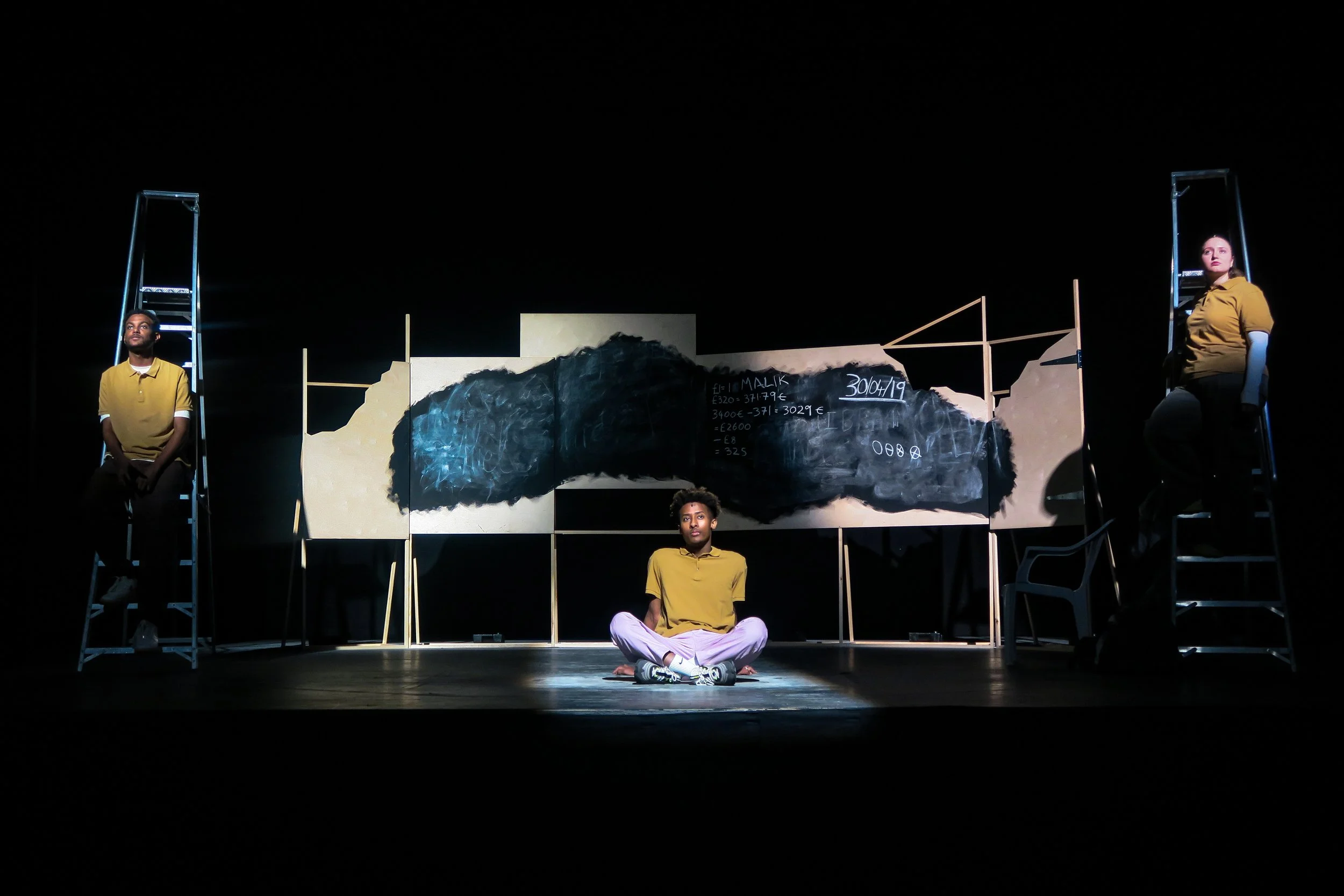
Through running drama workshops in the living room we became an informal theatre company, learning as we went. We made a play called Dear Home Office, based on the lived experiences of the actors, and took it to the Edinburgh Fringe, where it was nominated for the Amnesty Freedom of Expression Award. When we returned to London it sunk in that we had created something very special together.
Fast forward 10 years and we’ve performed over 200 times with 7 touring shows. In 2020 we became a Charity, and we now run community drama projects all year round alongside our nationally touring productions. These projects include Phosphoros Young Company where we work with newly arrived young people, Phosphoros Rainbow Haven for our LGBTQIA+ siblings, Phosphoros Sisters for girls and young women and our Artist Development and Leadership Training Programmes which nurture new talent.
All our work is co-produced by refugee young people, and responds to the ever-changing needs of refugees and asylum seekers in an increasingly hostile climate.
“In 2024/25, Phosphoros Theatre worked with around 500 refugees aged 16-25, engaged nearly 1000 refugee audience members, 24% of whom were from refugee backgrounds”